
Case Study
Building a Secure Customer Document & Approval Workflow Platform for Dowel Infra
Managing customer documentation, property records, construction permissions, and approval workflows is often a complex process involving multiple stakeholders, repeated follow-ups, and large volumes of sensitive documents.
Dowel Infra needed a centralized platform that could streamline document collection, approval tracking, customer communication, and internal workflow management while maintaining complete visibility across projects.
To address these challenges, 7Sisters Tech designed and developed 7Approvio, a secure Customer Document and Approval Workflow Platform that connects internal teams and customers through a single digital ecosystem.
Built using Next.js, React Native, Node.js, and PostgreSQL, the platform provides end-to-end workflow management, document tracking, customer self-service, mobile accessibility, and complete audit visibility.
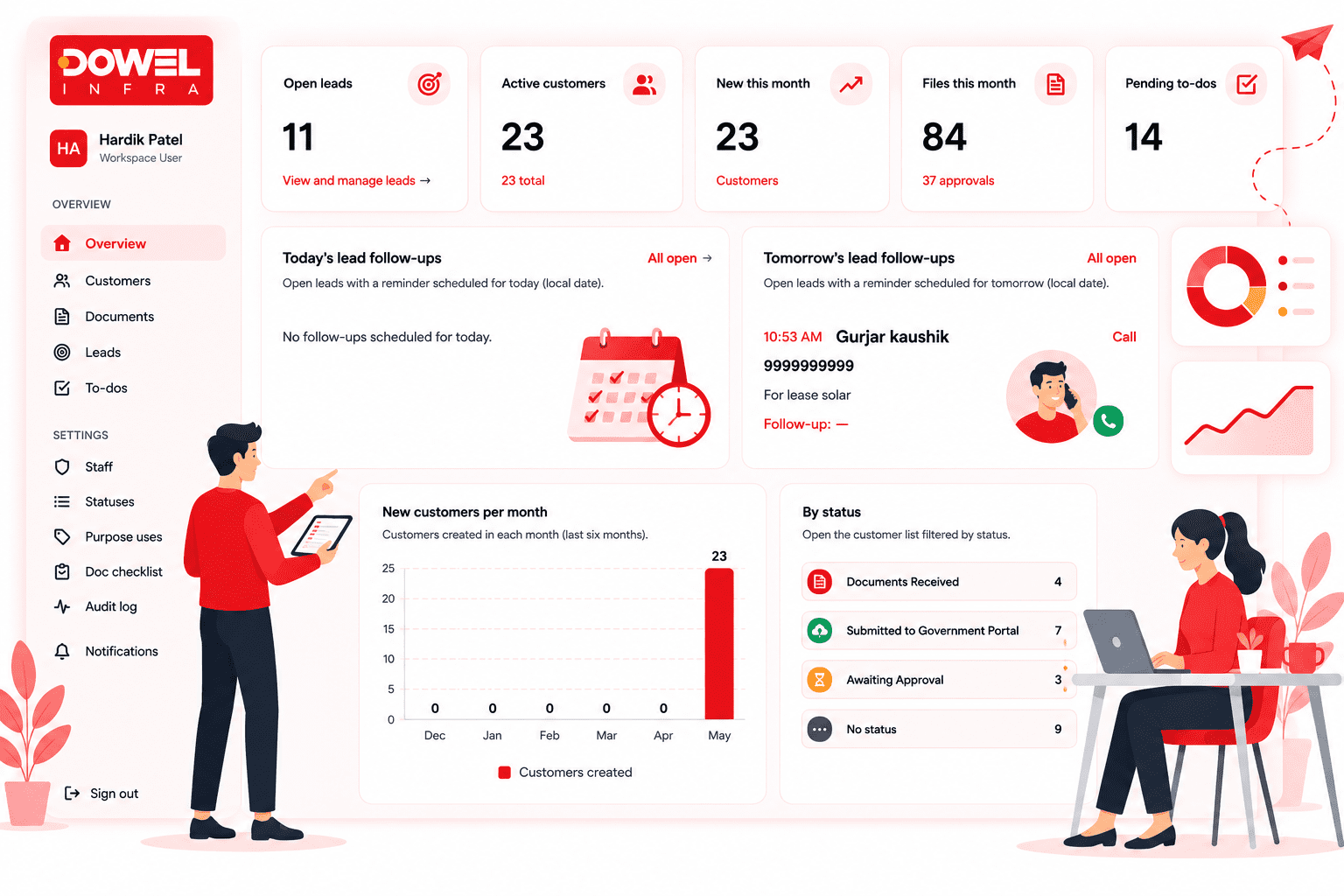
About Dowel Infra
Dowel Infra operates in the infrastructure and property documentation sector, managing customer documentation, construction permissions, regulatory processes, and project-related approvals.
As project volumes increased, managing documents through spreadsheets, messaging applications, email chains, and manual coordination became increasingly difficult.
The organization required a scalable solution capable of standardizing operations while improving efficiency and transparency.
Business Challenge
Before implementing 7Approvio, document and approval workflows relied heavily on manual processes.
Teams were responsible for:
- Collecting customer documents
- Tracking missing documentation
- Managing property-related paperwork
- Monitoring approval statuses
- Coordinating between departments
- Following up with customers
- Updating project progress manually
These processes created several operational challenges.
Fragmented Information
Project data and customer documents were distributed across multiple channels including email, spreadsheets, local storage, and messaging applications.
Limited Visibility
Managers lacked real-time visibility into:
- Pending approvals
- Missing documents
- Staff workload
- Customer progress
- Project bottlenecks
Manual Follow-Ups
Employees spent significant time contacting customers to request documents, provide updates, and verify status changes.
Document Management Risks
Without centralized storage, retrieving documents was difficult and historical tracking was limited.
Customer Experience Issues
Customers depended on staff for updates and had limited visibility into the progress of their applications.
Solution Strategy
Rather than simply digitizing existing processes, the objective was to redesign the entire document and approval lifecycle.
The solution focused on four key principles:
Centralized Information Management
All documents, approvals, customer records, and workflow activities were consolidated into a single platform.
Workflow Standardization
Configurable approval statuses were introduced to create a consistent and transparent process.
Customer Self-Service
Customers gained direct access to upload documents, track progress, and receive updates without relying solely on support teams.
Operational Transparency
Real-time visibility enabled managers to monitor workflow performance and identify bottlenecks proactively.
Technical Architecture
The architecture was designed to support both current operational needs and future scalability requirements.
Web Application
- Next.js
- React
- TypeScript
Mobile Application
- React Native
Database
- PostgreSQL
Backend Services
- Node.js
- REST APIs
Security Layer
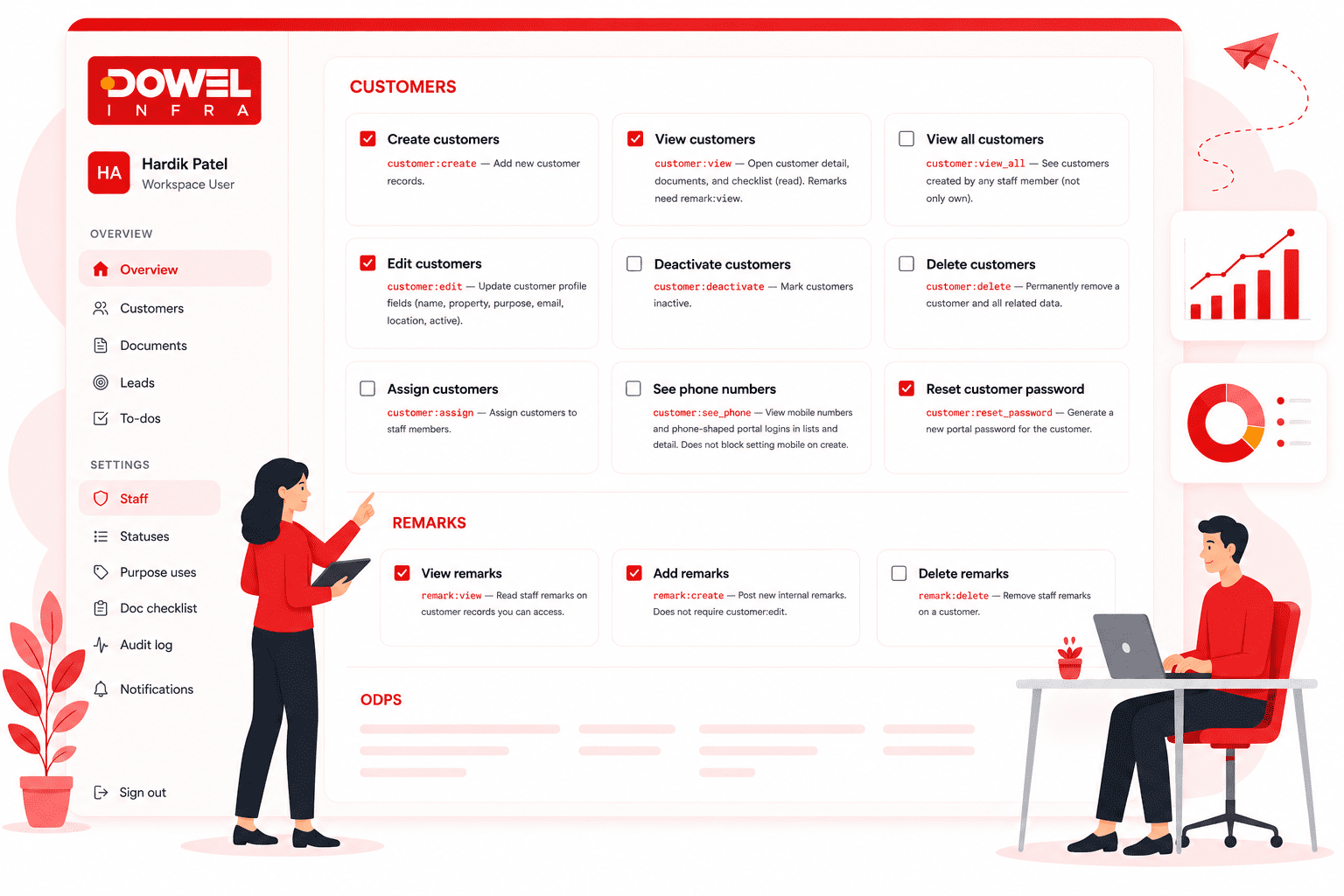
- Role-Based Access Control
- Secure Authentication
- Permission-Based Access
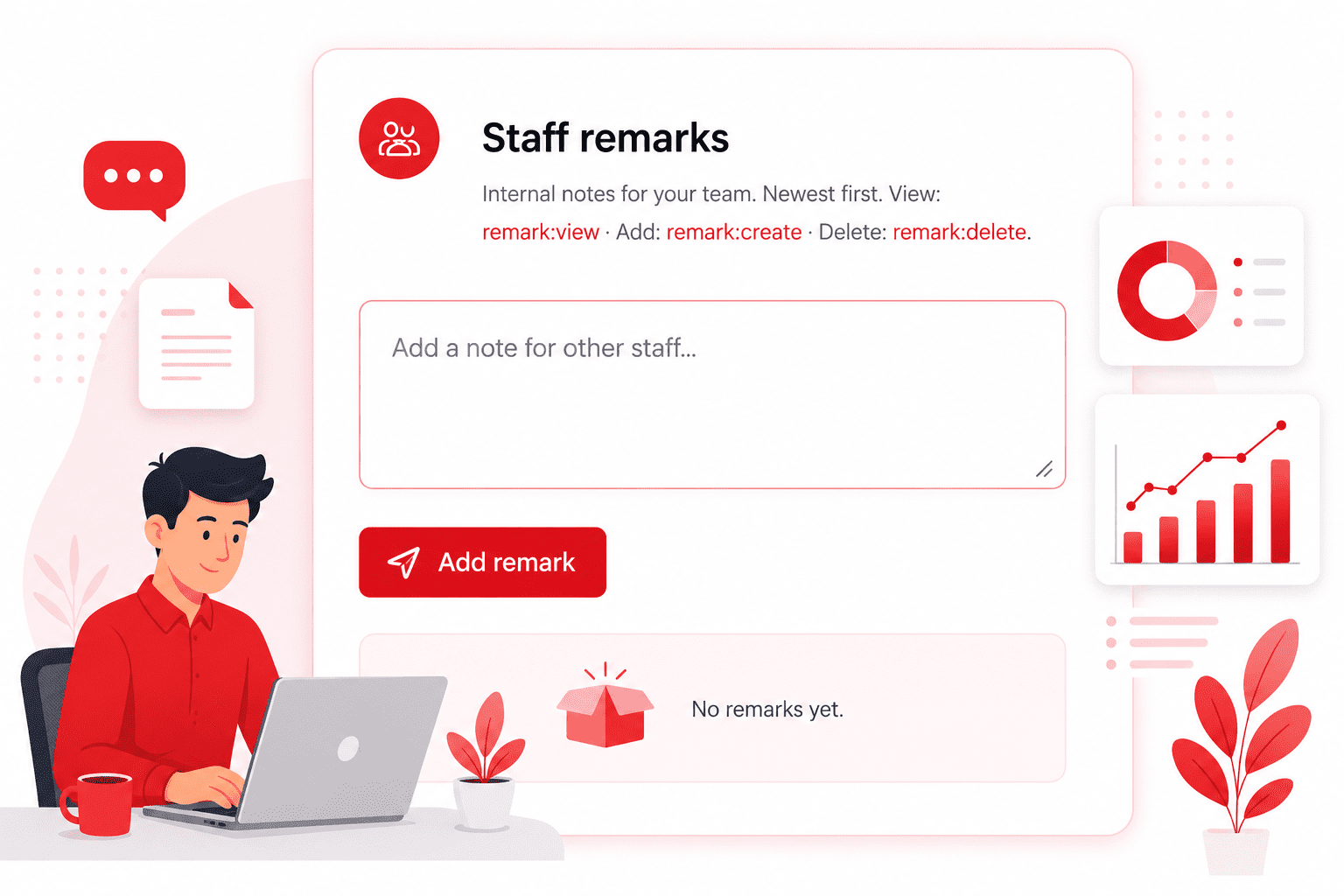
- Activity Logging
- Audit Trails
- Secure File Storage
Conclusion
By combining customer self-service, secure document management, configurable approval workflows, mobile accessibility, and complete audit visibility, the platform provides a scalable foundation for operational efficiency and future digital transformation initiatives.
The project demonstrates how workflow automation and centralized information management can significantly improve transparency, accountability, and process control in document-intensive industries.